The difference between manual and automatic vinyl record players

Vinyl record players are beloved by many audiophiles and music collectors, attracting a large consumer base with their unique sound quality and retro charm. With technological advancements, vinyl record player designs have diversified, primarily falling into two categories: manual and automatic. While both share a similar basic function—playing vinyl records—there are significant differences in operation, performance, and user experience. This article will detail the key differences between manual and automatic vinyl record players to help consumers make the right choice based on their needs.
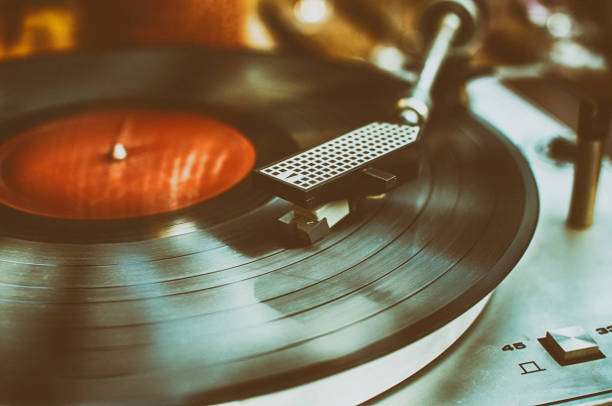
Operation method: The fundamental difference between manual and automatic
Manual Vinyl Record Player
Manual vinyl record players require more manual operation from the user during playback. Typical operation steps include:
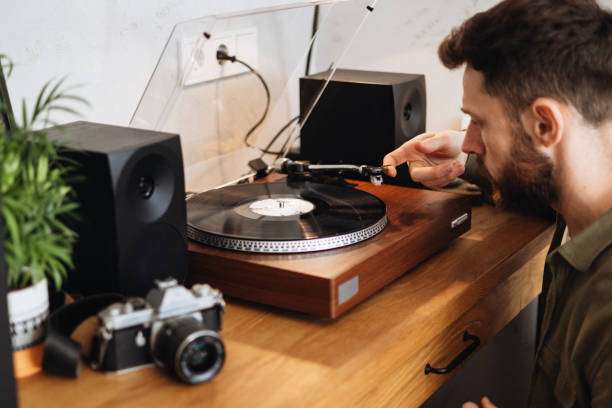
Manual stylus placement: In manual mode, the user needs to manually move the stylus from the tonearm to the starting position of the record, usually the outer or inner track.
Manually stop playback: When the record has finished playing, the user needs to manually lift the stylus and put it back in its original position to stop playback.
This operating method tests the user’s manual skills and familiarity with the equipment more and has a stronger sense of tradition and ritual. It is suitable for music lovers who love vinyl record culture, especially those who like to personally control every step of the playback process.
Automatic Vinyl Record Player
Automatic vinyl record players simplify the entire playback process through automation. The operation typically includes:
Automatic stylus placement: When the record begins playing, the automatic vinyl record player can accurately place the stylus at the beginning of the record using a built-in electric system, without user intervention.
Automatic playback stop: After playback ends, the automatic vinyl record player will automatically lift the stylus and return it to its original position, stopping playback.
The introduction of automatic systems greatly reduces the complexity of manual operation, making it suitable for users who want to enjoy convenience without too much operation. Especially for beginners or consumers who do not have enough time and energy to manually adjust the stylus every time, an automatic vinyl record player is undoubtedly a more relaxed choice.
User experience: Personal preferences and convenience
Manual Vinyl Record Player Experience
Manual vinyl record players emphasize user participation and the enjoyment of manual operation. For some vinyl enthusiasts, manual operation is part of the charm of listening to vinyl records, allowing them to become more immersed in the interaction between the music and the device. These devices typically have less electronic design, focusing on high-quality sound and a traditional playback experience.
Immersive experience: Because the stylus needs to be manually adjusted, users can focus more on the music playback process when using a manual vinyl record player.
The sense of control over the device: Manual playback gives users more control over the entire process, allowing them to adjust sound quality, speed, and volume according to their needs.
For some audiophiles, this operating method brings a stronger sense of ritual and control and has become part of their music listening experience.
Automatic Vinyl Record Player Experience
The automatic vinyl record player is designed for convenience and comfort. Through a series of automated processes, it reduces the number of steps required from the user, making it an ideal choice, especially for modern consumers who are accustomed to digital devices and want to avoid tedious operations.
Convenience: The automated operation process allows users to simply press a button, and the playback process is almost fully automatic, without the need for manual stylus adjustment.
Suitable for everyday use: For those who frequently use media players, the automatic vinyl record player can save a lot of time and effort, making it suitable for everyday playback.
Comfort: Users can enjoy vinyl music without much intervention, focusing on listening rather than adjusting the device.
Automatic players are typically equipped with more advanced electric control systems, making them easier to operate and suitable for consumers who prioritize a convenient user experience.
Sound quality performance: Will there be any differences?
Sound quality of a manual vinyl record player
Because manual vinyl record players have fewer complex electronic components, they typically offer higher fidelity in sound quality. Many audiophiles believe that manual players provide a purer and more authentic audio experience, fully revealing the sonic details of vinyl records. This type of player places higher demands on components such as the stylus, tonearm, and platter, thus generally delivering a higher level of sound quality.
Pure sound quality: Many manual players use an all-mechanical or minimally electronic design, which provides a purer audio output.
High-fidelity performance: Manual players are typically used in higher-end audio equipment and can bring out the best in the sound quality of vinyl records.
Automatic vinyl record player sound quality
While the sound quality of an automatic vinyl record player is generally not inferior to that of a manual player, its electronic design and automated operation can sometimes have an impact on sound quality. For example, automatic stylus placement and retraction systems can introduce minute vibrations or errors, affecting the perfect reproduction of the sound. Although modern automatic playback systems are quite sophisticated, manual playback is still considered a higher-quality option for audiophiles who are extremely particular about sound quality.
Subtle differences in sound quality: The sound quality of an automatic vinyl record player may be slightly different from that of a manual player, although this difference is almost negligible to most ordinary users.
Suitable for mass consumption: Automatic players are usually sufficient to meet the needs of most music lovers, and the sound quality is already excellent enough.
Cost and Market Positioning
The cost of manual vinyl record player
Manual vinyl record players are generally more expensive than automatic players, especially high-end manual players, which can cost hundreds or even thousands of dollars. This is because manual players are more complex in design, more meticulously crafted, and use higher-quality materials and technology. Therefore, these players are usually more suitable for professional users or audiophiles who have extremely high demands for sound quality.
Cost of automatic vinyl record player
Automatic vinyl record players are generally more affordable and suitable for the average consumer. Because they utilize automated control systems, their cost is lower than manual players. Prices range from entry-level to mid-to-high-end, making them suitable for general consumers or beginners.
In conclusion:
Manual and automatic vinyl record players each have their advantages, and consumers should choose based on their individual needs and preferences.
A manual vinyl record player is suitable for audio enthusiasts who pursue ultimate sound quality and enjoy the operation process.
An automatic vinyl record player is suitable for consumers who value ease of use and want to enjoy vinyl music with ease.
Regardless of the type of player you choose, the ultimate goal is to enjoy the unique musical experience offered by vinyl records. When making a selection, it is recommended to consider factors such as budget, frequency of use, sound quality requirements, and ease of operation.

