Vinyl record players: From retro to modern musical charm

The vinyl record player, a name brimming with nostalgia, still exudes a unique charm in today’s digital music-dominated world. From its prototype in the early 20th century to today’s high-fidelity devices incorporating modern technology, the vinyl record player not only records the history of music but also carries the emotional memories of countless music lovers.
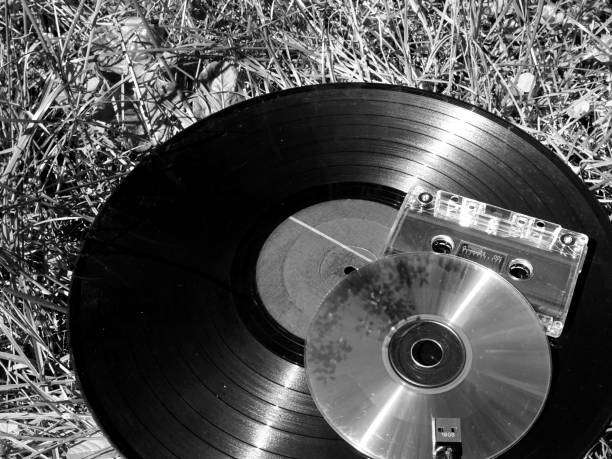
The Origin of the Vinyl Record Player
The vinyl record player dates back to the late 19th century. At that time, Edison’s phonograph, which used wax records to record sound, laid the foundation for later vinyl record players. The earliest devices were bulky and complex to operate, but they made home music playback possible.
In the early 20th century, with advancements in materials and manufacturing processes, records gradually shifted from wax to vinyl, ensuring stable playback and durability for vinyl record players. of that era were mostly hand-cranked or electrically driven; while their sound quality couldn’t compare to modern standards, they became central to home music entertainment.
During a process of organizing old objects, I discovered a vinyl record player from the 1920s. The unique, warm tone of the old jazz records instantly made me feel the charm of vinyl.
Technological Evolution of Vinyl Record Players
From mechanical to electronic
Early vinyl record players relied entirely on mechanical transmission, using hand-cranked power or simple motors to move the stylus. Sound was transmitted through mechanical amplifiers, resulting in limited volume and a tendency to distortion. With the development of electronic technology, electronic amplifiers and electric drive systems began to be used from the 1930s to the 1950s, significantly improving the sound quality and convenience of vinyl record players.
Improvements to the turntable and stylus
In the 1960s, the turntable speed and stability of record players were significantly improved. The advent of fully automatic and semi-automatic record players allowed users to play entire records without manually moving the stylus, a breakthrough that greatly enhanced the user experience.
Meanwhile, the material of the stylus gradually evolved from steel to diamond or sapphire tips, reducing wear on the record and improving sound reproduction. These improvements made the record player not only a playback device but also an important component of high-fidelity audio.
The Golden Age of Vinyl Record Players
The 1950s to 1970s were the golden age. This period was characterized by:
- Music became more diverse: jazz, rock, blues, and other genres were popular, and record players became the core of home entertainment.
- Design Aesthetics: Manufacturers have invested heavily in the design of the turntable’s appearance, with the wooden chassis, metal decorations, and knob feel all making it highly collectible.
- Mature technology: The application of vacuum tube amplifiers and stereo technology allows vinyl record players to achieve higher sound quality standards.
At a party, a 1970s Japanese brand was played. The surround sound and warm tone of the classic rock records immersed everyone in the music, making it more enjoyable than digital music.
The decline and revival of vinyl record players
Digital Impact
After the 1980s, with the popularization of CDs and digital music, vinyl record players gradually withdrew from the mainstream market. CD players had stable sound quality and were easy to carry, and vinyl record players were once regarded as outdated devices, with many old players being idled or discarded.
Retro craze and modern development
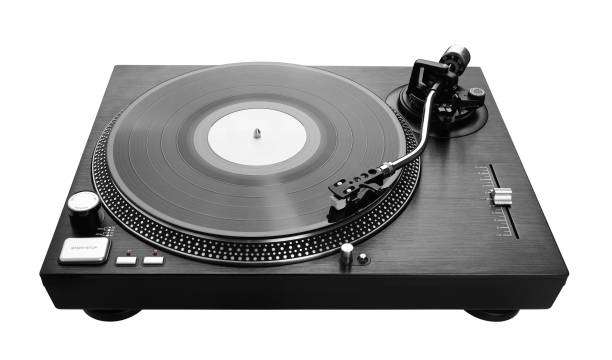
In the early 21st century, record players experienced a revival. More and more young people began to pursue analog sound quality and a retro experience, and manufacturers launched record players that incorporated modern technology.
- The USB interface and Bluetooth functionality allow the record player to connect to computers and wireless speakers.
- High-precision motor and shock absorption design improve playback stability.
- The replaceable stylus and tonearm design make the record player both collectible and practical.
The combination of retro and modern technology makes the vinyl record player not only a symbol of nostalgia but also a new way for music lovers to enjoy high-quality sound.
The collectible and cultural value of vinyl record players
Today, record players have become an important element of music collecting and home décor. Collectors focus not only on the brand and era but also on sound quality, craftsmanship, and historical context.
- Classic Brands: Turntables from brands such as Thorens, Technics, and Rega are highly sought after for their sound quality and durability.
- Cultural symbolism: The vinyl record player embodies the music culture of the last century and is a witness to music history.
- A ritualistic experience: The process of playing vinyl records and the sonic atmosphere make the music experience more focused and immersive.
When I experienced an old German vinyl record player, the sound and the sense of ritual made me decide that I also wanted to get a modern replica vinyl record player.
Trends in modern vinyl record players
- Combining convenience and retro style: This turntable with Bluetooth and USB interfaces allows music lovers to enjoy analog sound quality while adapting to modern life.
- High-fidelity sound quality: Manufacturers continuously optimize the design of tonearms, styluses, and motors, enabling vinyl record players to rival digital audio in sound quality.
- Personalization and customization: Custom wooden cases and limited-edition record sets transform the record player into a home decoration and collectible.
FAQ
Q1: Is the sound quality better than that of a digital music player?
A1: A vinyl record player offers a warmer, more natural analog sound, but it requires more sophisticated equipment and a better environment. Digital music offers advantages in convenience and stability.
Q2: What should I pay attention to when buying a record player?
A2: Pay attention to the type of stylus, platter stability, motor drive method, and whether it supports modern interfaces (such as USB or Bluetooth).
Q3: Are old-fashioned record players still worth collecting?
A3: Yes, especially classic brands and models from the golden age. Not only is the sound quality excellent, but their collectible value is also constantly increasing.
Q4: Is a vinyl record player easily damaged?
A4: Proper use and maintenance can extend its lifespan, including cleaning the stylus and avoiding dusty and humid environments.
Summarize:
Want to experience the unique musical charm of a vinyl record player? Browse our curated vinyl record player collection and choose a retro or modern model to imbue every song with warmth and a sense of occasion.

