A Vinyl Record Player: A Complete Analysis from Minor Damage to Total Failure

Vinyl record players, as retro devices that emphasize sound quality, have recently regained popularity among music lovers. They are not just playback devices but also carry value for collectors and those with a sentimental attachment to the music. However, if a vinyl record player gets wet, the consequences can be far more serious than you might imagine. This article will provide a comprehensive understanding of the impact of water damage, covering the various structural aspects of a vinyl record player, potential risks, repair methods, and preventative measures.
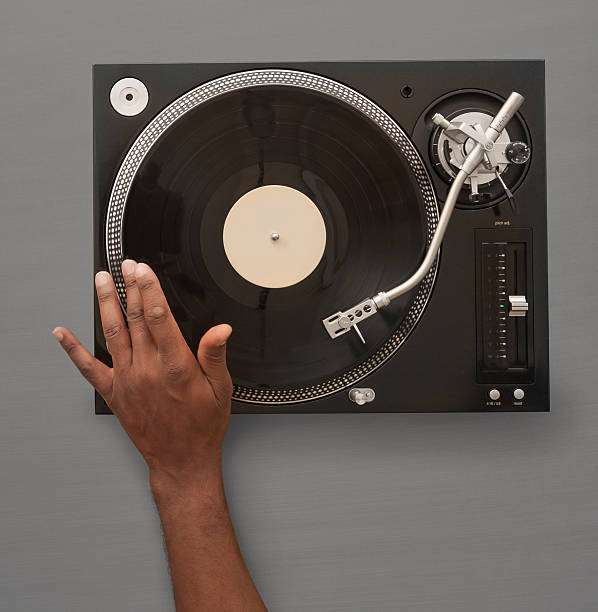
Vinyl Record Player Structure and Water Ingress Risk
First, we need to understand the basic structure of a vinyl record player:
Tonearm and Cartridge
The cartridge contains a magnetic head, a stylus, and tiny coils, which are the key components that convert vibrations into electrical signals.
Water ingress can cause short circuits in the magnetic head, rusting of the metal, and even permanent damage.
Motor System
A vinyl record player is rotated by a DC or AC motor.
Water entering the motor can easily cause the insulation layer to become damp, leading to short circuits, burnout, or unstable operation.
Amplification and Output Circuits
Vinyl record players typically contain preamplifier circuitry and signal output lines.
Water seeping into a circuit board can cause short circuits and component corrosion, thus affecting sound quality or even causing complete failure.
Fuselage and Chassis
Although the main function of the machine body is to provide support, prolonged exposure to moisture can cause the wooden or metal materials to warp, mold, or rust.
A friend of mine once left his vinyl record player on the balcony to get some fresh air in the summer and didn’t notice the unexpected rain. He recalled that when he turned it on, the sound was strange and there was a buzzing noise. He later discovered that the cartridge and circuit board were damp.
Common Symptoms After a Vinyl Record Player Gets Wet
Depending on the amount of water entering the player, the duration of the water inflow, and the location of the water inflow, the following symptoms may occur:
1. Unable to Power On or Starts Up Intermittently
- Motor wiring is damp or short-circuited
- Damaged power supply components
2. Abnormal Sound Quality
- The sound contains noise and humming.
- Unstable song playback speed
- Increased background noise
3. Damaged Cartridge and Stylus
- The needle tip is rusted or deformed
- Signal conversion failure can lead to reduced volume or distorted sound quality.
4. Deformed or Rusty Body
- The wooden base swells due to moisture.
- Metal parts rust, increasing turntable resistance.
5. Long-Term Corrosion Led to Complete Damage
- Circuit board corrosion, copper foil oxidation
- The mechanical structure stuck and unable to rotate
- Amplifier circuit component failure
I once saw a vinyl record player that had to be repaired and have its cartridge replaced because water seeped into the edge of the chassis, causing the wooden base to mold and the stylus to develop slight rust after a few weeks.
The Impact of Different Water Damage Conditions on Vinyl Record Players
|
Condition |
Potential Impact |
Recommended Treatment |
|---|---|---|
|
A small amount of water droplets, only enough to wet the surface. |
There is no major problem for the time being. |
Wipe dry with a clean cloth and avoid turning on the machine. |
The circuit board is damp |
Short circuit, noise, unable to power on |
Air dry after power is off; send for professional repair if necessary. |
|
Water in the cartridge |
Audio distortion, weak signal |
Remove and dry or replace as soon as possible. |
|
Chassis damp |
Deformation, loose fuselage |
Humidity control measures should be implemented to avoid excessive pressure. |
|
Long-term immersion |
Completely damaged |
Professional inspection or replacement |
What to Do with a Vinyl Record Player After It Gets Wet
- Power off immediately
Do not continue to turn on the device; otherwise, the circuit may be burned out.
- Wipe the surface dry
Gently wipe with a dry, lint-free cloth.
Avoid using a hairdryer on a high heat setting to blow directly onto the wood or plastic, as this may cause warping.
- Disassemble the removable parts and let them dry.
Removable parts such as the cartridge, platter, and tonearm can be stored in a well-ventilated and dry place.
If possible, place the container in a moisture-absorbing box or use a desiccant to accelerate moisture absorption.
- Waiting
Core components such as circuit boards should ideally be left to stand for at least 48 hours.
Make sure the water has completely evaporated before trying to turn on the power.
- Professional maintenance
If the water intake is excessive or there are abnormal startup issues, it is recommended to send it for professional repair.
Especially when the cartridge and circuit board are damaged, it is risky to disassemble and repair them yourself.
Measures to Prevent Water from Entering the Vinyl Record Player
- Choose a moisture-proof environment
Avoid high-humidity areas such as balconies and kitchens.
The study or living room is relatively dry.
- Use a dust cover or protective cover.
Cover the player with a waterproof cloth or cover when not in use.
It can prevent accidental splashes or air moisture.
- Stay away from liquid drinks
Maintain a safe distance when drinking water, tea, or coffee.
To avoid accidental spills.
- Regular inspection and maintenance
Check the circuit board, cartridge, and stylus for moisture or mold.
Clean the machine body regularly to prevent dust and moisture buildup.
Long-Term Risks of Water Damage to Vinyl Record Players
- Rust on metal parts → leads to increased mechanical friction and unstable turntable speed.
- Swelling or cracking of the wooden base → affects the stability of the player.
- Circuit corrosion → Damage to amplifier circuit or output interface
- Permanent damage to the cartridge → Signal conversion failure, sound quality irrecoverable.
Therefore, even a small amount of water entering the surface should not be taken lightly, and timely handling is crucial.
A friend of mine accidentally spilled a glass of water on the edge of his vinyl record player while listening to records in the summer. He initially thought the water hadn’t gotten inside and continued playing. However, noise appeared during the second song, so he immediately turned it off. After taking it for repair, it was discovered that the phono coil had become damp, and parts of the circuit board were corroded, requiring the replacement of key components to restore it to working order. This case illustrates that vinyl record players are extremely sensitive to moisture; neglecting this can have serious consequences.
FAQ
Q1: Will a vinyl record player definitely break if it gets wet?
Not necessarily; it depends on the amount and location of the water ingress. A small amount of surface water may not have any effect, but moisture can damage core components.
Q2: How long after water gets in can I try to turn it on?
It is best to wait at least 48 hours to ensure that the inside is completely dry before turning on the power.
Q3: Can the cartridge dry itself if water gets inside?
Minor moisture in small areas is acceptable, but it’s best to have the coil repaired by a professional to avoid permanent damage.
Q4: Can using a hairdryer on a hot setting speed up the drying process?
Direct hot air is not recommended, as it may cause the plastic to deform or the wooden base to crack. Use natural air or a cool breeze instead.
Q5: Is the vinyl record player waterproof?
Standard models are not waterproof. Some professional models or casings are splash-proof, but contact with liquids should still be avoided.

Conclusion:
Vinyl record players carry the warmth of music and the texture of time; once they get wet, it can cause irreversible damage. Proper storage, timely handling, and scientific maintenance can maximize their lifespan.
If you own a vinyl record player, please ensure it is stored in a dry, safe location, equipped with a dust cover, and kept away from liquids. For equipment that has already been flooded, immediately disconnecting the power, allowing it to air dry, and seeking professional repair are the most effective ways to protect your vinyl record player. The sooner you address the issue, the less damage you will suffer, and the more you can continue to enjoy the pure charm of vinyl music.

