How to adjust the balance and pressure of the tonearm in a vinyl record player?

a vinyl record player, responsible for accurately placing the stylus in the grooves of the record and converting the audio signal into sound. When the tonearm’s balance and pressure are set correctly, it ensures the stylus slides smoothly across the record surface, preventing damage and optimizing sound quality. Properly adjusting the tonearm’s balance and pressure not only extends the lifespan of both the record and the stylus but also allows you to enjoy clearer, purer sound when listening to vinyl music.

Why are tonearm balance and pressure so important?
Before understanding how to adjust the balance and pressure of the vinyl record player tonearm, it’s essential to first understand the importance of these two factors.
The balance of the tonearm directly affects the way the stylus contacts the record surface. Excessive pressure can cause premature wear on the record while also affecting the clarity and accuracy of the sound quality; conversely, insufficient pressure may prevent the stylus from properly reading the grooves of the record, resulting in skipping and loss of sound quality.
The pressure applied by the tonearm determines the contact pressure of the stylus. Appropriate pressure helps the stylus pass steadily through the grooves of the record, preventing skipping, distortion, or record damage. Too little pressure can cause skipping or unclear sound, while too much pressure not only affects sound quality but also accelerates wear on the record and stylus.
How to adjust the balance of the tonearm in a vinyl record player?
Step 1: Check the weight of the tonearm
First, you need to check the tonearm’s weight adjustment mechanism. Most modern vinyl record players have a balance adjustment knob or slider on the tonearm to help you adjust its balance. Make sure the tonearm can remain level without any additional weight.
Move the tonearm to a suspended position: carefully lift the tonearm and suspend it above the record.
Check tonearm balance: Use the balance adjustment knob to adjust the tonearm’s balance. Ideally, the tonearm should float horizontally, neither tilting up nor down.
Step 2: Adjust the vertical balance of the tonearm
After ensuring the tonearm is level, you can begin adjusting its vertical balance. Some vinyl record players have a vertical balance adjustment knob, which you can use to adjust the tonearm angle. An angle that is too high or too low will affect the stylus’s contact, resulting in unclear or uneven sound quality.
How to adjust stylus pressure
Once the tonearm balance is adjusted, the next step is to adjust the stylus pressure. Stylus pressure directly affects the sound quality of the vinyl record player and the wear and tear on the record. Correct pressure ensures smooth contact between the stylus and the record grooves, preventing unnecessary damage.
Step 1: Use the stylus pressure adjuster
Most modern record players are equipped with a stylus pressure adjuster, usually located at the rear of the tonearm. This adjuster changes the contact pressure of the stylus by rotating or sliding it.
To check the current stylus pressure setting: First, check the current stylus pressure setting by rotating the adjuster. Generally, the stylus pressure is set between 2 and 3 grams, but the specific value may vary depending on the type of record and the stylus model.
Adjust the stylus pressure: Set the pressure regulator to the recommended range. Too much pressure will accelerate wear on the record and stylus, while too little pressure may cause sound distortion or skipping.
Step 2: Check the accuracy of the pressure readings.
To ensure accurate settings, you can use a professional stylus pressure gauge (such as a digital weighing scale) to measure the actual pressure of the stylus. These tools provide more precise measurements, ensuring the pressure is set correctly.
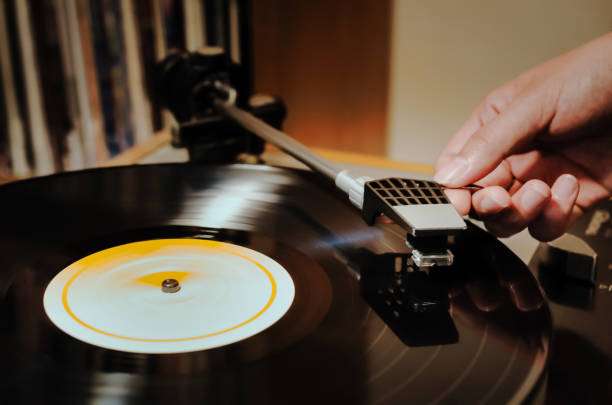
How to adjust stylus pressure for different records
Each type of record has its unique requirements, especially for vinyl record players in terms of pressure settings. Hard records and soft records have different requirements, so the stylus pressure also needs to be fine-tuned according to different situations.
Standard vinyl records (33 1/3 RPM and 45 RPM): For most standard vinyl records, the stylus pressure should be between 2 and 2.5 grams. This setting provides proper tonal balance while preventing record wear.
High-quality records (such as audiophile records): Some high-quality vinyl records may have stricter requirements for stylus pressure. These records usually require slightly lighter pressure, around 1.5 to 2 grams, to protect the fine grooves of the record.
Old records: For records that are old and in poor condition, appropriately reducing the stylus pressure can prevent damage to the record surface and ensure a smoother playback experience. Setting the pressure to around 2 grams is generally considered ideal.
Precautions for adjusting tonearm balance and pressure
When adjusting tonearm balance and pressure on a vinyl record player, there are some details that require special attention:
Avoid over-adjustment: Frequent adjustments to stylus pressure or tonearm balance may cause equipment instability, so it is recommended to avoid too many changes after the initial adjustment.
Regular checks: The tonearm and stylus of a vinyl record player will wear down over time, so regular checks and adjustments are key to maintaining sound quality. Check the stylus pressure every few months and make minor adjustments depending on the type of record.
Properly store your equipment: Ensure that your equipment is placed in a stable and flat place when not in use, avoiding vibration or gravity to maintain its calibrated performance.
Frequently Asked Questions
1. How do I know if the stylus pressure on
Is my vinyl record player set correctly? You can use a dedicated stylus pressure gauge to ensure the pressure setting is accurate. Most stylus pressures should be set between 2 and 3 grams, but the exact value will vary depending on the type and quality of the record.
2. How much force is needed to adjust the stylus pressure on
a vinyl record player? Do not apply excessive force when adjusting the stylus pressure. Gently rotate the adjuster until the stylus pressure is at the desired level.
3. What problems might occur if the stylus pressure on
A vinyl record player is too light? If the stylus pressure is too light, it may be unable to read the grooves of the record stably, resulting in a blurry sound or skipping.
In conclusion:
Adjusting the tonearm balance and pressure on your vinyl record player is a crucial step in improving sound quality and extending the device’s lifespan. Proper adjustment prevents the stylus from damaging records, avoids skipping, and ensures clear and accurate sound quality every time you play it.
Remember, stylus pressure is not constant; it should be adjusted according to different record types and playback environments. Regular checks and adjustments will help you enjoy the beauty of vinyl music for a long time.
Click the link below to browse our selection of vinyl record players and accessories to enhance your audio experience and enjoy high-quality music!

