Vinyl record player shock absorption, light protection, and humidity control.

For vinyl record enthusiasts worldwide, the pursuit of the warmth and depth of analog sound quality is a kind of faith. But this faith relies on a highly sensitive and precise instrument: the vinyl record player.
Imagine this: your stylus is reading micrometer-level musical signals from the grooves of a record. Any external interference—whether it’s the vibrations of your neighbor’s bass or the afternoon sun—can be amplified into annoying noise or even cause permanent damage to your treasured vinyl records.
Proper placement is the first scientific step in ensuring stable operation of a record player and extending the life of records. This is not just about home aesthetics but also the foundation of a high-fidelity listening experience.
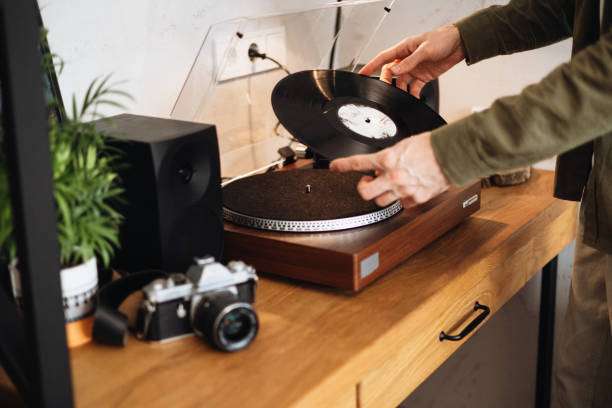
Vibration source—the number one enemy of vinyl record players
Vibration, whether structural or acoustic, is the main culprit for skipping or low-frequency buzzing in vinyl record players.
Isolate your speakers from structural vibrations; you and your speakers are best kept separate.
Acoustic isolation: Never place a vinyl record player on the same plane or on the same support as the speakers. Low-frequency sound waves will travel through the air and floor, causing resonance in the tonearm and stylus, resulting in harsh low-frequency feedback.
Expert advice: If space is limited, make sure the record player and speakers are placed on completely separate, heavy pieces of furniture.
Avoid high-traffic areas: The area where the record player is placed should be away from frequently walked passageways or doorways. Every footstep and every opening and closing of a door can cause structural vibrations that are directly transmitted to the stylus, causing it to skip.
Optimize the load-bearing surface: Create a “solid foundation”; the heavier, the better: The ideal load-bearing surface for a vinyl record player should be heavy, structurally stable furniture. Weight helps absorb and disperse vibrations.
Use vibration damping technology: Consider investing in professional speaker racks or vibration isolation platforms. These products are typically designed with spikes or damping pads to minimize the impact of external vibrations.
Forced Leveling: No matter how expensive your turntable is, if it’s not level, the sound quality will be compromised. Use a level to check that the turntable is absolutely level. Imbalance will cause uneven tracking force, accelerating wear on one side of the record.
Direct sunlight and high temperatures—the slow poison of vinyl records
Ultraviolet light and heat are the main causes of vinyl record warping and aging of vinyl record player components.
Prevent vinyl record warping
Avoid windows: Vinyl record players and record racks should be kept away from any area exposed to direct sunlight. The PVC material of vinyl records begins to soften at around 50°C. Even everyday indirect sunlight can cause records to warp.
Consequences: A warped record is not only difficult to play, but it also puts unnecessary stress on the stylus.
Keep away from electrical heat sources: Avoid placing record players near amplifiers, radiators, or fireplaces. Sustained localized high temperatures can accelerate belt aging and cracking in belt-driven systems and may damage the tiny suspension system of the cartridge.
Protecting the lifespan of your vinyl record player’s materials: Ultraviolet rays can cause the plastic or acrylic dust cover of a record player to yellow and become brittle and accelerate the degradation of the plastic components of the base and tonearm. Placing it in a cool, temperature-stable area is the best way to extend its appearance and lifespan.
Moisture and dust—accomplices to static electricity, mold, and wear
Humidity and air quality directly determine the “health level” of your vinyl record system.
Control humidity and static interference
Avoid high-humidity environments: Avoid placing record players in basements or poorly ventilated rooms. High humidity promotes mold growth on record sleeves and inner sleeves and increases the risk of rust on the record player’s metal parts.
Combating Static Electricity: In dry environments, vinyl records are highly prone to static electricity, attracting dust from the air, causing stylus buildup and annoying crackling sounds. Using a humidifier to maintain proper humidity is a natural way to control static electricity.
Dust Management: The Culprit Behind Stylus Wear— Keeping Clean is Key: Dust is the number one culprit in accelerating stylus wear and shortening record life. When the stylus runs through dusty grooves, it’s like being rubbed by tiny abrasive particles.
Use a dust cover: When not in use, be sure to cover the vinyl record player with a dust cover.
Keep away from the kitchen: Kitchen fumes and oily particles from cooking can adhere to vinyl records, forming a layer of grime that is difficult to remove. Vinyl systems should be kept away from these areas with high levels of grease and smoke.
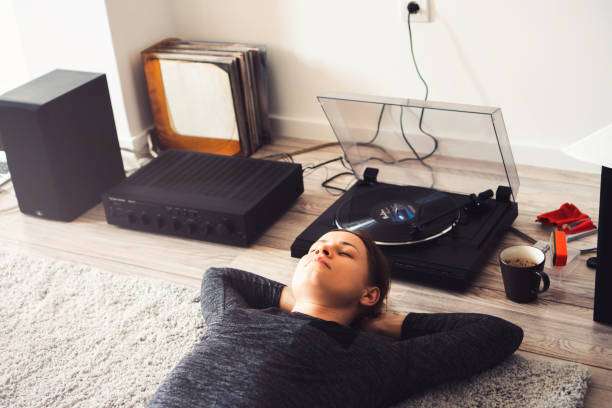
In conclusion:
for your vinyl record player is the first step to unlocking a high-fidelity listening experience. An ideal vinyl sanctuary should:
By taking these environmental factors into account, you can not only enjoy a purer analog sound quality but also ensure that your treasured vinyl records can be passed down through generations.
What environmental factor do you find most challenging when setting up a vinyl record player? Share your “shelter” experience in the comments!

