The Ultimate Guide to Replacing Stylus for Vinyl Record Players

For vinyl enthusiasts, nothing is more satisfying than putting a beloved record on a vinyl record player and letting the air fill with warm, analog sound waves. However, in this perfect sound experience, there is a small but crucial component that is often overlooked—the stylus.
Imagine if your sports car’s tires were worn out—would you still expect a smooth driving experience? A stylus is to a vinyl record player what tires are to a sports car. A worn or damaged stylus not only significantly reduces sound quality, turning what should be pleasant music into muffled noise, but more seriously, it acts like a tiny chisel, permanently damaging your precious vinyl records.
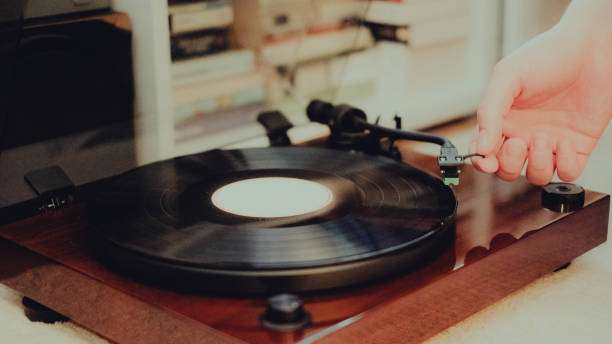
Start the timer: What is the shelf life of a stylus?
vinyl record player stylus is not measured in calendar days, but rather in the cumulative playing hours. This is similar to a car’s odometer, a predictable indicator of wear and tear.
The following is a rough lifespan reference based on different needle tip materials and shapes. Please consider this a “warning line” rather than an “expiration date”:
| stylus type | Shape characteristics | Average service life (hours) | Applicable Scenarios |
| Beginner | Circular (Conical/Spherical) | Approximately 300 – 500 | Limited budget, casual listening, frequent replacement |
| Intermediate | Elliptical | Approximately 500 – 800 | Pursuing better sound detail and tracking ability |
| Advanced | Special cutting techniques (Shibata, MicroLine) | It can exceed 1,000 | Audiophile-grade, highest fidelity, expensive |
Expert Tip: These figures are only a general guideline. Please always consult the official recommendations of your stylus or cartridge manufacturer. If your vinyl record player was purchased secondhand, or you have forgotten when it was last replaced, assume it needs to be replaced immediately.
The sound of the vinyl record player is a distress signal.
A worn stylus often signals a gradual degradation in sound quality, rather than a sudden malfunction. If you start noticing any of the following changes in sound, your stylus may already be damaging your records:
Have you noticed a surge in noise and background noise during playback? A healthy stylus fits snugly against the record grooves, effectively isolating these noises. Worn styluses, however, cannot maintain proper contact, causing friction noise and other unwanted sounds to be amplified.
High-frequency detail concealment and distortion
This is one of the most obvious signs. If the music you’re playing contains a lot of high-frequency elements (such as the high positions of a violin or the crisp sound of cymbals), and they sound muddy, harsh, lacking clarity, or even have jagged distortion, it means that the stylus is not accurately tracking the tiny high-frequency signals, and details are being lost.
Overall resolution decrease
Does your music sound flat and unclear, as if veiled by a layer of gray? When the overall resolution and dynamic range of the sound decrease, it’s a direct reflection of a deteriorating stylus performance. The bass may become loose and weak, lacking a clear impact.
In addition to listening, you also need to see: visual inspection and professional examination.
If your ears still don’t provide a clear answer, you can take a more intuitive approach to verify:
The “truth” under a magnifying glass: Use a high-magnification jewelry magnifying glass (at least x60), an essential tool for enthusiasts. Examining the needle tip:
Appearance changes: Does the tip of the stylus appear flat and ground “flat”? A normal stylus tip should be uniform and rounded.
Physical damage: Look for cracks, gaps, or obvious bends. Any physical damage visible to the naked eye means it’s no longer usable.
Seeking professional advice: If you lack the tools or confidence to inspect the device yourself, the best approach is to take the cartridge or the entire vinyl record player to a reputable local audio shop or professional repair center. They typically have specialized microscopes to examine the stylus wear angle and can provide authoritative replacement recommendations.
Protect Your Investment: The Golden Rules for Extending Stylus Life
While stylus wear on vinyl record players is an inevitable physical process, incorrect habits can accelerate its decline, causing it to die prematurely. Following these simple maintenance steps can maximize its lifespan:
Clean, clean, and more clean: Your stylus’s biggest enemy is the dust and tiny particles in the grooves of your vinyl record. Before each play, gently clean the record surface with a carbon fiber brush. Also, clean the stylus tip regularly with a dedicated stylus cleaner.
Handle your tonearm gently: Never strike the stylus directly with your hand. Always use the tonearm lifter to allow the stylus to make slow, steady contact with the record surface. Harsh impacts can weaken or even damage the stylus shaft and tip.
the pressure , anti-slip, and vertical tracking angle on your vinyl record player are precisely adjusted according to the cartridge manufacturer’s specifications. Incorrect pressure is the leading cause of rapid wear and record damage.
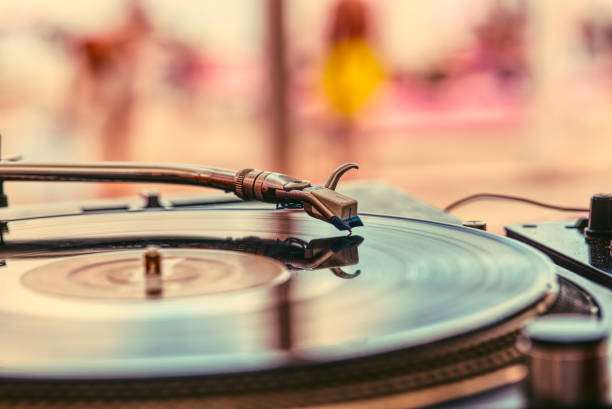
In conclusion:
Purchasing a vinyl record player is an investment in a high-quality music experience, and the stylus is the heart of that investment. When you find that those familiar old records no longer sound as vibrant and detailed as they did the first time you listened to them, trust your ears—it’s your vinyl record player reminding you: it’s time to get a new pair of diamond boots.
Regularly checking and replacing the stylus in a timely manner not only ensures consistently pure sound quality but also demonstrates responsibility towards your hard-earned vinyl collection.
When was the last time your stylus was replaced? Have you ever heard it give out a distress signal? Please share your experience in the comments!

