a Vinyl Record Player: A Complete Analysis of Selection, Budget, and Configuration

The allure of vinyl records has made a rapid comeback in recent years, with many people adding a vinyl record player to their homes to add warmth and a sense of ritual to their lives. However, faced with a dazzling array of vinyl record players, first-time buyers often feel overwhelmed. To make the selection process easier, this article combines user experience, industry insights, and a compilation of frequently asked questions to provide a truly practical and ultimate guide for those looking to purchase a vinyl record player.
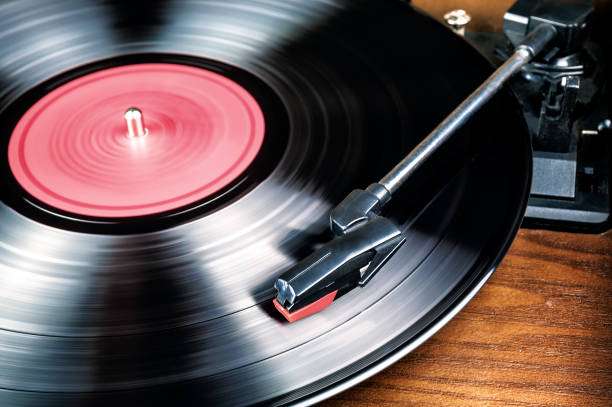
Three most important things to consider before getting a Vinyl Record Player
Main purpose: ambiance? Collection? Or sound quality pursuit?
Some people buy vinyl record players mainly to add a more homey feel to their homes;
Others truly value sound performance and want to experience the unique density and warmth of vinyl records.
The range of choices is greatly narrowed once the needs are clearly defined.
Placement space and environment
Common feedback from families is that the placement of
The vinyl record player affects its stability, resonance level, and daily user experience.
The study, living room, and wooden floors all affect the final listening experience.
What is the budget range?
Prices range from a few thousand to tens of thousands; the differences lie not in appearance but in the structure and sound quality.
Experience shows that instead of choosing the most expensive option from the start, it’s better to lock in a reasonable budget first and then upgrade gradually.
Three main types of vinyl record players
Fully automatic vinyl record player
The needle drops, and the return arm is completed automatically.
Many beginners often choose this type because it is worry-free and reduces the risk of record damage.
Semi-automatic vinyl record player
The needle drops manually, and the arm returns automatically.
Industry experience generally considers this to be the best balance between convenience and user engagement.
Fully manual vinyl record player
It offers the most ceremonial feel and the most playability.
Those who enjoy in-depth tuning usually prefer a fully manual vinyl record player, which offers the highest degree of operational freedom.
The driving method determines the character of the sound.
Belt-drive vinyl record player
The structure reduces vibration, stabilizes rotation speed, and produces a softer, more natural sound.
Users who enjoy jazz, vocals, and classical music often report that belt-driven conveyor belts have a more “vinyl-sounding” quality.
Direct-drive vinyl record player
It features quick start-up, high torque, and precise tachometer speed, making it ideal for DJs.
If you prefer music with a strong beat and rich bass, a direct-drive vinyl record player is also a good choice.
A common piece of experience summed up:
Belts are warmer and softer, while direct drive is more stable and robust.
Core Structure Analysis
Turntable
Heavier turntables are more stable and better at suppressing vibrations.
Experience shows that aluminum turntables provide a more stable background and a more solid sound than plastic ones.
Tonearm
Tracking capability is closely related to tonearm design.
Many users notice a significant improvement in high frequencies and a tighter bass response after upgrading their tonearms.
Cartridge
One of the components that has the greatest impact on sound. Many people
can hear a huge difference after replacing the cartridge in the same vinyl record player.
Stylus
The shape of the needle tip determines the resolution.
Microline generally offers better detail and less wear, making it a preferred upgrade option for many gamers.
Vinyl record player phono stage selection
Built-in phono stage
For those new to vinyl record players, it’s plug-and-play.
Ideal for those on a budget or who don’t want to deal with additional equipment.
External phono stage
More adjustable and cleaner sound.
An external phono stage is a common first step in many audiophiles’ upgrade journeys.
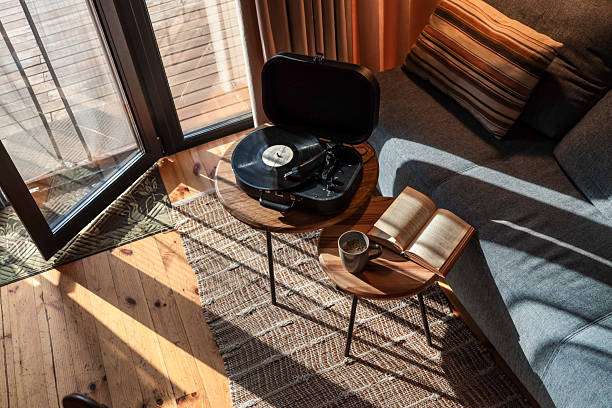
Vinyl record players: How to choose between beginner, mid-range, and advanced models?
Entry-level (NT$3,000–8,000)
Suitable for those new to vinyl record players.
The focus is on stability and ease of use.
Common configurations:
Belt drive
Built-in phono stage
Basic seismic design
Even entry-level models can deliver a sound that evokes the “warmth” of vinyl records.
Mid-range (NT$8,000–30,000)
Suitable for users who value sound quality but don’t want to hit the absolute top immediately.
Typically includes:
Precision tonearm
Upgradeable cartridge
Aluminum turntable
Some users have reported that the soundstage, resolution, and detail are significantly improved after entering this section.
High-end (NT$30,000+)
Those seeking the ultimate vinyl experience will be drawn to this section.
The structure emphasizes stability, and the cartridges are mostly MC (mixed melt) type; high-end phono preamps offer even more adjustable parameters.
Vinyl record players at this stage are very sensitive to the environment and pairings, but their sound performance is also at its most captivating.
Should I choose a complete vinyl system or a combination of individual components?
all-in-one set
Advantages: Simple, convenient, and foolproof.
Suitable for most vinyl record player beginners.
Split-type combination
Advantages: Allows users to create their own “vocal personality” according to their preferences.
Commonly seen among more experienced vinyl record users.
The most effective maintenance techniques when using a vinyl record player
Adjustment: The impact is greater than expected.
Many users are surprised by how much cleaner the sound is after adjusting the tracking power for the first time.
Detail and sonic stability are both improved.
Cleaning habits
Based on experience, the following three points can significantly reduce noise:
Antistatic brush for cleaning records
Clean the stylus regularly
Placed in a dust cover
Placement
Avoid placing it near the edge of a TV cabinet or in areas where the floor vibrates significantly. The performance of
A vinyl record player will vary greatly depending on its placement.
Common Misconceptions
“Bluetooth = better”
Vinyl record players will compress the sound quality when using Bluetooth transmission, which is convenient but not suitable as the main listening method.
“good appearance equals good sound.”
means that the core structure is the key, such as the cartridge, tonearm, and shockproof design.
“Buying the most expensive is always the safest.”
—a well-balanced combination is far better than blindly piling on a budget. Many users have found that upgrading the right cartridge or phono preamp results in a more noticeable improvement than replacing the entire amplifier.

Five quick shopping tips
Set a budget first, then choose a structure.
Drive method selected according to music preference
The cartridge is key to improving sound quality.
Beginners are more likely to succeed with a vinyl record player that has a built-in phono stage.
Placement and earthquake resistance are far more important than imagined.
Summarize:
Choosing the right option—with a clear budget, drive type, and cartridge—allows you to easily enjoy warm sound quality and a sense of occasion.
Browse our selection of vinyl record players now and create your own home music space.

