In vinyl record players : How to choose the most suitable stylus
Vinyl record players have always been regarded by music lovers as the soul of sound quality, and the stylus is one of the key components that directly affects sound quality. Whether you are a vinyl novice or an audiophile who has collected dozens of records, choosing the right stylus is crucial for playback quality, musical detail, and record lifespan.
When I first used a vinyl record player, I tried a different type of stylus, and the difference was truly remarkable: the bass was fuller, the details were clearer, and I could even hear subtle instrument sounds that I wouldn’t normally hear. This article will provide a comprehensive analysis of how to choose the most suitable vinyl record player stylus from the perspectives of stylus type, sound quality differences, user experience, and precautions.

Overview of stylus types
The type of stylus directly determines the resolution, tonal bias, and durability of a vinyl record player. Common stylus types include:
1. Elliptical stylus
Features: The needle tip is oval-shaped, allowing for more precise contact with the record groove.
Sound quality: Rich high-frequency details, stable low-frequency performance.
Suitable for : Music lovers who appreciate detail and dynamics
Disadvantages: Wears out slightly faster than a round stylus.
My friend once played jazz with an oval stylus and was amazed by the detail in the saxophone and piano, especially the texture of the drums, which was very natural.
2. Circular (Conical) Stylus
Features: The needle tip is round, resulting in a large contact area.
Sound quality : The bass is solid, but the high frequencies are slightly flat.
Suitable for: Beginner vinyl record player users or people who don’t want to change needles frequently.
Advantages: Durable, with less record wear.
I used a round stylus on an entry-level vinyl record player. I felt that the bass was deep and rich, but the nuances of female vocals and violins were slightly lacking.
3. Microline stylus
Features: The needle tip is extremely fine, almost perfectly mimicking the original groove shape of a record.
Sound quality: Wide soundstage, extremely clear high frequencies, and accurate mid and low frequencies.
Suitable for: High-end vinyl record player users and audiophiles who pursue the ultimate sound quality.
Disadvantages: Expensive, records wear out relatively quickly.
At a listening session, I experienced my friend’s vinyl record player with a micro-needle. The subtlety of the bass and the sustain of the piano amazed me, a completely different experience from ordinary oval needles.
The specific impact of stylus type on sound quality
1. High-frequency resolution
Round stylus: High frequencies are relatively mild, but details are slightly blurred.
Oval stylus: Higher frequencies are clearer, allowing for the differentiation of instrument details.
Micro-linear stylus: Extremely fine high frequencies, allowing you to hear the subtle layers of music.
2. Mid-frequency performance
Round: The vocals are deep and resonant but slightly compressed.
Oval shape: Natural vocals, rich instrumental details
Micro-linear: Extremely transparent midrange, strong sense of musical space.
3. Low-frequency performance
The round stylus produces a deep and powerful low-frequency response.
The oval stylus provides a solid low-frequency response while maintaining good elasticity.
Microwire styluses provide precise and elastic low frequencies but lack a strong sense of power, requiring a high-quality amplifier.

4. Soundstage and Layering
Vinyl record players with micro-wire styluses offer the widest soundstage and the most distinct layering.
Oval shape is the next best, and circle is the least desirable.
For users who prefer a sense of presence and three-dimensionality, oval or micro-linear shapes are more suitable.
User experience and maintenance
1. Replacement and cleaning
The stylus is a consumable part of vinyl record players and needs to be replaced after a period of use.
It is recommended to check the needle tip every 500–1000 hours of playback.
Use a soft brush to gently clean the stylus to prevent dust from affecting the sound quality.
2. Compatibility
Not all styluses are suitable for every vinyl record player.
High-end micro linear styluses typically require the use of high-sensitivity tonearms.
Entry-level round or oval styluses are more versatile
3. Record protection
Round styluses experience the least wear and are suitable for older or rare records.
Oval and micro-linear styluses offer greater precision, but care must be taken with playback pressure and cleaning to avoid scratching the record.
My friend cleans the records with an anti-static brush before each playback when using a micro stylus. He says this not only protects the records but also keeps the vinyl record player’s sound quality at its best.
Practical tips for choosing a stylus
For those seeking high cost-performance: round stylus, durable and easy to maintain.
Pursuit of detail and musical expressiveness: oval-shaped stylus, balanced sound quality, and strong expressiveness.
Pursuing the ultimate audiophile experience: micro-wire stylus, delicate sound quality, and wide soundstage.
When choosing a stylus, it’s best to consider your vinyl record player, the type of record you’re using, and your personal listening preferences. Beginner vinyl users can start by trying round or oval styluses to familiarize themselves with the sound quality before upgrading to micro-wire styluses.
FAQ:
Q1: Can I change the stylus at will?
No, the stylus type must be compatible with the vinyl record player’s tonearm; otherwise, it may damage the record or the player.
Q2: Is a micro-wire stylus really better than an oval one?
The sound quality is more refined, but whether it sounds better depends on personal preference and the playback environment. Some people prefer the tone of a round or oval stylus.
Q3: How often should the stylus be replaced?
Generally, check for stylus tip wear after 500–1000 hours of playback and replace it if necessary.
Q4: Will a stylus wear down a record?
A round stylus will wear down the least, while an oval or micro-shaped stylus may wear down the record faster if used improperly or not cleaned properly.
Q5: Which types of styluses are suitable for which types of music?
Circular: Pop, old songs, and music with strong bass.
Oval: Jazz, Rock, Symphony
Micro-linear: Classical, Folk, Live Music
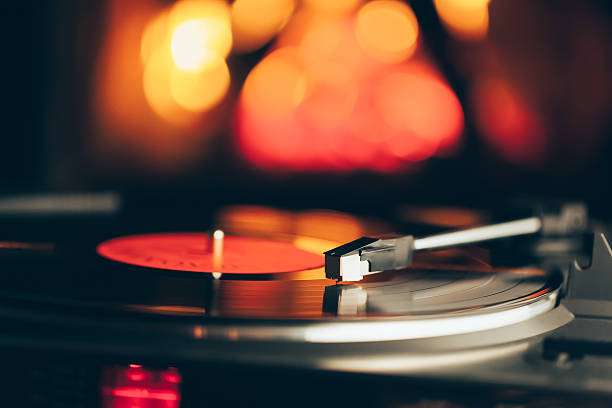
The type of stylus has a direct impact on the sound quality of a vinyl record player, including high-frequency resolution, mid-frequency performance, low-frequency power, and overall soundstage. Choosing the right stylus can not only make music more enjoyable but also extend the lifespan of vinyl records and the player.
Round stylus: durable, provides a rich bass response, suitable for beginners.
Oval stylus: Balanced sound quality, rich high-frequency details, suitable for music lovers.
Micro-wire stylus: High-end audiophile grade, with delicate sound quality and a strong sense of layering.
To fully appreciate the charm of vinyl records, you need to choose the most suitable stylus by combining your personal listening preferences, record type, and the performance of your vinyl record player.
Summarize:
To get the best sound quality from your vinyl record player, we recommend focusing on the following:
Matching stylus type with playback requirements
Stylus compatibility and durability
Easy to clean and maintain
Click to view our curated selection of vinyl record player styluses, allowing every vinyl record to unleash its most captivating sound.
Related Posts

Vinyl Record Players on Record Collecting: How to Choose and Maintain Records
-
Posted by
 Carter Eleanor

